
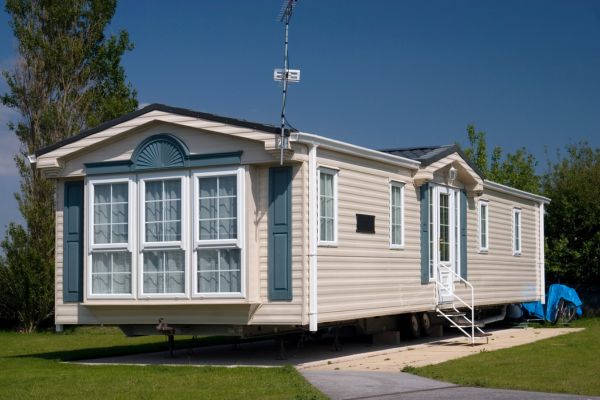
What Does Lot Rent Cover in a Mobile Home Park?
If you are new to community living, lot rent can feel like a mystery line item on your monthly budget. Understanding exactly what you are paying for, and what rules come with it, helps you choose the right community and avoid surprises down the road. Here is a clear breakdown of lot rent, park regulations, and resident rights.
What Lot Rent Typically Includes
Lot rent is the monthly fee you pay to the community owner for the space your home sits on, along with access to shared services and amenities. While coverage varies by community, lot rent commonly includes:
Water and sewer service
Trash and recycling pickup
Road maintenance and snow removal
Landscaping in common areas
Access to shared amenities like a clubhouse, pool, or playground
Some communities also fold in services like basic security or shared laundry facilities, while others charge for these separately. Always ask for a written breakdown before you sign a lease, since assuming a service is included when it is not can throw off your monthly budget.
What Lot Rent Usually Does Not Cover
Just as important as knowing what is included is understanding what is not. In most communities, lot rent does not cover:
Electricity, gas, or internet service to your individual home
Homeowners insurance on your manufactured home
Maintenance or repairs inside your home
Property taxes on the home itself, if applicable in your state
Because you own the home but rent the land, you are still responsible for maintaining your own property, even though the community handles shared infrastructure.
Understanding Park Rules and Regulations
Every community operates under a set of written rules, sometimes called park regulations or community guidelines, that residents agree to when they move in. These rules exist to keep the community safe, attractive, and enjoyable for everyone living there.
Common rules cover topics like:
Home appearance and exterior maintenance standards
Pet policies, including breed or size restrictions
Parking and guest vehicle limits
Noise and quiet hours
Yard and landscaping upkeep expectations
Before signing a lease, read the full set of community rules rather than skimming them. If anything is unclear, ask the community manager to walk you through it so you know exactly what is expected.
55+ Communities vs All Age Communities
Manufactured home communities generally fall into two categories:
55+ Communities
These communities restrict residency to households where occupants meet a minimum age requirement, typically 55. They tend to offer a quieter environment and amenities geared toward retirees, such as fitness classes or social clubs.
All Age Communities
These communities welcome residents of any age, including families with children. They often include amenities like playgrounds and are a good fit for buyers who want a mixed, family friendly neighborhood.
Neither type is better than the other. It comes down to the lifestyle and community atmosphere you are looking for.
Know Your Rights as a Resident
Manufactured home community residents have legal protections in most states, even though they own their home and rent the land it sits on. These protections often include:
Advance written notice before lot rent increases
A formal process the community must follow before eviction
The right to sell your home in place without being forced to move it
Access to community rules and any changes to them in writing
Rights and specific notice periods vary by state, so it is worth reviewing your state's manufactured housing laws or asking your community manager for details specific to where you live.
Choosing a Community That Fits Your Life
Lot rent is more than just a monthly bill. It reflects the services, amenities, and lifestyle a community offers. Taking the time to understand what is included, what rules apply, and what rights protect you as a resident helps you settle into a community with confidence instead of confusion.
If you are searching for a manufactured home in a community that fits your needs, browse our current listings or reach out to our team with any questions about community living.